
 This post is part of the Alchemy-Spetec Contractor Lens series, featuring views, news & case studies written by our customers. This article, written by Brian Dalinghaus of Dalinghaus Construction, is an overview of warehouse floor repair with polyurethane foam. If you're an Alchemy-Spetec customer and you'd like to discuss writing content for our blog, please send an email to marketing@alchemy-spetec.com today!
You hide it well, but we know the truth – you’re obsessed with warehouse floors.
You eat, sleep, and breathe warehouse life: the melodic beeping of the forklift, the acrid welding haze that tastes like metal, and the unmitigated triple-digit heat because air-conditioning is for wussies. And don’t forget about your well-adjusted mechanic who swears so fluently it sounds like poetry while they blast AC/DC out of a busted ‘98 JVC stereo.
Welcome to #warehouselife.
Ok, so really, most people don’t give warehouse floors much thought. On occasion, you may have to sweep or mop, but that’s about the average extension of warehouse floor TLC. However, your forklift operators and warehouse crew may begrudge your lack of warehouse floor maintenance. Warehouse floors that are uneven, cracked, or sinking can create tripping hazards and other OSHA concerns.
Busted warehouse floors directly translate into a less efficient workspace, creating bumpy forklift track that can result in trouble moving loads around the sunken concrete. The truth is: if you take care of your warehouse floor, it will take care of you.
Causes Of Warehouse Floor Problems
There are several causes that may make repairs to the concrete warehouse floor necessary.
- Incorrect Curing
- Soil Erosion
- Insufficient Soil Preparation
- Shrinking and Expanding Soil
Voids can occur underneath the warehouse floor slab. Heavy equipment, like forklifts or electric pallet jacks, can cause the slabs to tilt and shift into uneven positions. This precarious situation can cause a forklift operator to lose a heavy load or get their equipment stuck.
Uneven floors jeopardize the safety of your warehouse crew and the safety of your product. In short, it can lead to serious injury and/or damage to equipment and materials.
Solutions For Uneven Warehouse Floors
Luckily, there is a solution to uneven warehouse floors. It’s imperative to protect your employees, equipment, and inventory by making sure the warehouse floors are even and stable.
Here at Dalinghaus Construction, Inc., we utilize Alchemy-Spectec or slab leveling to ensure that concrete slabs are level, secure, and strong.
During the Alchemy-Spectec process, polyurethane foam is injected through small holes underneath the slabs. The foam expands, filling the void under the slab and simultaneously lifting the slab back into place.
The polyurethane installation process allows us to move the slab within a tenth of an inch of the desired height. That is truly remarkable precision. The polyurethane foam is waterproof, environmentally inert, and won’t wash away.
Polyurethane Foam is utilized to:
- Repair Cracked Concrete Slabs
- Repair Settling/Sinking Concrete Slabs
- Repair Settling/Sinking Foundations
- Repair Void Fill
- Permeate and Densify Soil
Polyurethane cures quickly, solidifying up to 90% full strength in only 15 minutes. The polyurethane foam seals at the bottom of the warehouse floor slab, closing off any crack that may exist in the concrete.
If needed, a joint fill material is utilized to help prevent any serious gaps between slabs.
Once the warehouse floor has been leveled, this allows heavy equipment to run smoothly over the joints, considerably lessening the damage to wheels or edges of the concrete. These gaps allow the slabs to expand and contract without cracking or moving out of place.
The great news is the Alchemy-Spectec process does not need a lot of heavy, specialized equipment – meaning you won’t have to make a lot of room for us to work. Also, as mentioned above, polyurethane foam only takes 15 minutes to cure to 90%.
This directly translates into getting back to work ASAP. The Alchemy-Spectec process is less expensive and time-consuming than tearing up and replacing a concrete slab and will take care of any underlying problems that were causing the concrete to sink.
Make Your Warehouse Safer with Dalinghaus
The safety and efficiency of your employees (along with keeping your equipment and product in good shape) are invaluable. Dalinghaus Construction Inc. is here to help you by making sure your warehouse floors are strong, stable, and straight.
Our concrete lifting process provides long-lasting results, ensuring your warehouse floor is level and safe. With over 100 years of combined experience and 4.9 stars out of 299 reviews – we are here to ensure that you never settle.
If you live in SoCal or Arizona and would like a FREE foundation inspection, click the link below –

Want more information on warehouse floor repair?




 $695 Registration Fee
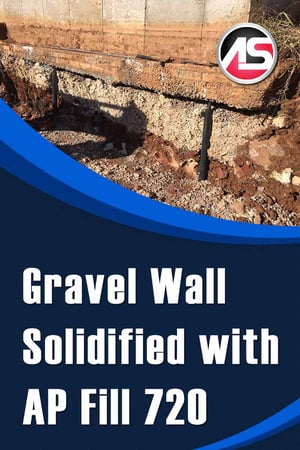
 As one of the most impenetrable permeation grouting products on the market,

 When an old brick retaining wall in downtown Greenville collapsed and crushed three cars,
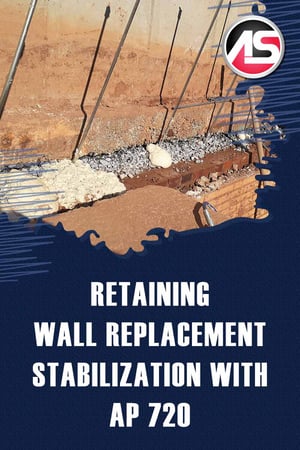 When an old brick retaining wall in downtown Greenville collapsed and crushed three cars,
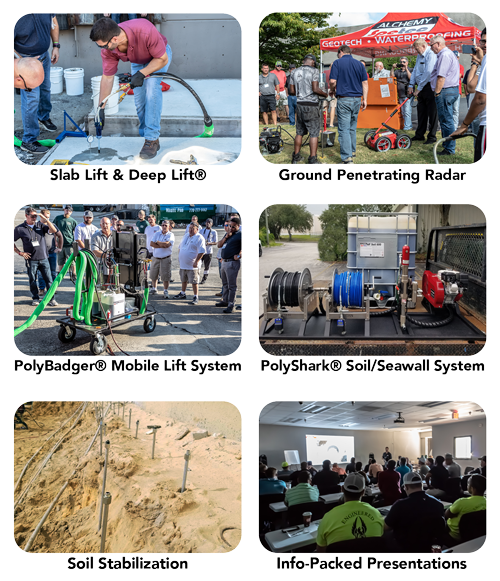
 On October 26th - 28th, Contractors across North America traveled to Alchemy-Spetec HQ in Tucker, GA for a thorough education in Slab Lifting, Soil Stabilization, the Deep Lift® process, equipment, and applications. They received hands-on training from a technical staff with decades of on-the-job experience.

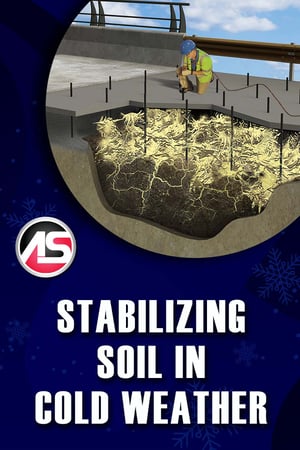 It's that time of year again. As temperatures drop, take a moment to review this previously posted article packed with cold-weather tips.
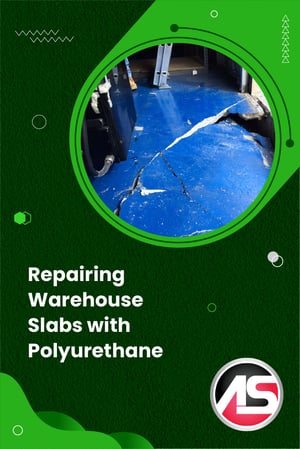 The warehouse slab/floor repair market can be a goldmine for contractors. Most major metro areas contain endless square miles of warehouse space. That's why we've posted a good number of warehouse floor and slab repair articles on this blog over the years. In this post, we'll introduce and link to the best Alchemy-Spetec warehouse slab repair articles.

 Translate