

 When it comes to sealing leaks in stormwater systems, one size does not fit all. Whether dealing with curb inlets, drop inlets, manholes, or culverts, the choice of sealing material plays a pivotal role in the success and longevity of the repair. Cementitious grouts and polyurethane grouts represent the main contenders in the field. Knowing when and where to use each is crucial for a sustainable solution.
Cementitious Grouts: Old but Gold?
Cementitious grouts have been around for quite some time and are often the go-to option for many maintenance teams. Composed of a mixture of cement, sand, and water, these grouts provide a robust but somewhat rigid seal. They are best suited for areas where minimal movement is expected post-repair, such as static joints or stable concrete structures.
Pros:
- Economical and readily available
- Easy to mix and apply
- Excellent for filling large gaps and voids
Cons:
- Limited flexibility; may crack under stress or movement
- Longer curing time, delaying return-to-service
- Potential for shrinkage, compromising the seal
Polyurethane Grouts: The Future of Sealing
Polyurethane grouts have emerged as a modern, versatile option for sealing leaks. These grouts react with water to expand, filling cracks and gaps with a flexible, water-resistant seal. They are particularly effective for dynamic systems that may experience ongoing stress or movement.
Pros:
- Excellent flexibility; adapts to structural movement
- Quick cure times facilitate rapid return-to-service
- Effective in a wide range of conditions and materials
Cons:
- More expensive upfront cost
- Requires specialized equipment for application
- Skill-intensive; necessitates trained personnel for effective application
Location-Specific Choices
Certain leaks necessitate specific sealing methods based on their location within the stormwater system. For example, curb inlets often fare better with polyurethane grouts due to the frequent movement from vehicular traffic. On the other hand, stable, non-dynamic structures like concrete walls may be adequately served by cementitious grouts.
Deciding Factors in Choice
When choosing a sealing method, maintenance teams should consider factors such as:
- Type and location of the leak
- Expected post-repair environmental conditions
- Budget constraints
- Availability of skilled labor and specialized equipment
- Required longevity of the repair
Training and Expert Consultation
Given the complexities involved in choosing the right sealing method, training and consultation with experts in the field are highly recommended. Properly trained personnel are more likely to make the right choice the first time, reducing the risk of future leaks and subsequent repairs.
Key Takeaways
The choice of sealing method is a multi-faceted decision that requires a comprehensive understanding of the leak's nature, the system's requirements, and the pros and cons of available options. Regular training and expert consultation can go a long way in ensuring that maintenance teams are equipped to make the best choice for sustainable and effective leak sealing.
Want more information on sealing leaks in municipal infrastructure?


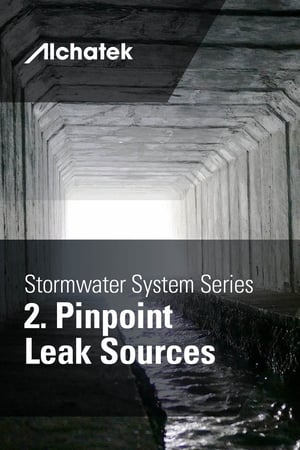 Leaks in stormwater systems can be elusive, often manifesting their symptoms far from the actual point of origin. This is especially true for interconnected systems like manholes or box culverts, where water can travel significant distances before showing visible signs of a leak. Accurate identification of the leak source is crucial for any effective repair operation. Failure to correctly locate the leak can result in wasted time, resources, and ultimately, unsuccessful repair.
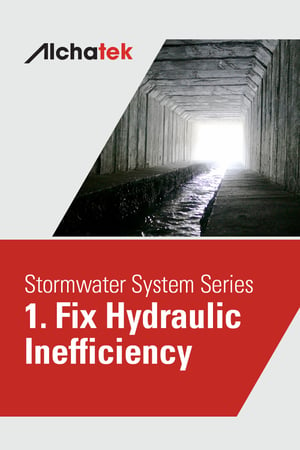 Hydraulic inefficiency in stormwater systems can wreak havoc in urban settings, especially during times of heavy rainfall or storms. When stormwater systems become less effective in draining water, it increases the risk of localized flooding and may even contribute to infrastructure failure. The problem often boils down to leaks and cracks in crucial components like curb inlets, drop inlets, manholes, and culverts.
 For contractors seeking productive work during the slower winter months, Alchatek is here to help every step of the way.

 This guide outlines a step-by-step process for setting up your
 As temperatures drop, contractors in certain areas need to winterize their slab lifting rigs for storage during the off-season. Below are the step-by-step guidelines to properly store your equipment.
 It's time to revisit the idea of remaining profitable during the winter months, but where does one begin?
 Contractors specializing in chemical grouting in the northern United States are often constrained by the seasons when it comes to outdoor soil stabilization and slab lifting tasks. However, with strategic planning, they can also find profitable avenues to keep busy during winter.
 Effectively repairing and sealing leaks in dams requires specialized expertise and high-quality materials. At Alchatek, we have spent decades developing and manufacturing premium polyurethane grouts designed specifically for waterproofing and protecting critical infrastructure like dams.
 When it comes to dam management, the focus often rests on structural integrity and operational efficiency. However, the environmental implications of dam leaks are equally critical. Leaks can lead to a range of downstream consequences, affecting not just human communities but also aquatic life and entire ecosystems.
 Translate