
 The preceding articles in this series have dissected the operational and financial implications of slab instability in manufacturing plants and factories. This third installment will pivot to another set of equally critical concerns: safety, regulatory compliance, and environmental impact. These aspects often intertwine with operational and financial considerations, making them indispensable in any comprehensive discussion about slab instability.
Worker Safety: More Than Just a Checklist
Worker safety is a paramount concern in any industrial setting, and the condition of the facility's flooring plays a significant role in ensuring a safe work environment.
Tripping Hazards
Uneven or unstable slabs can create tripping hazards, particularly in areas with high foot traffic or where workers are carrying heavy loads. Tripping can result in minor injuries or escalate into more severe accidents, especially if it involves machinery or hazardous materials.
Mobile Equipment Accidents
Forklifts, trolleys, and other mobile equipment are common in industrial settings. Uneven flooring can cause these vehicles to tip over or collide with other objects, posing a significant safety risk.
Ergonomic Concerns
Floor irregularities can also have ergonomic implications. Workers may need to adopt awkward postures to navigate uneven surfaces, leading to long-term musculoskeletal issues.
Emergency Response
In the event of an emergency, such as a fire or chemical spill, unstable flooring can impede the quick and safe evacuation of workers, exacerbating the severity of the incident.
Regulatory Compliance: Navigating a Maze
Manufacturing plants and factories operate under a complex web of regulations, and flooring integrity is often part of these regulatory frameworks.
OSHA Standards
In the United States, the Occupational Safety and Health Administration (OSHA) sets forth guidelines for walking and working surfaces. Non-compliance due to floor irregularities can result in hefty fines and even legal action.
Local and State Regulations
Beyond federal guidelines, local and state regulations may impose additional requirements. Managers must be aware of these layered regulations to ensure full compliance.
Industry-Specific Guidelines
Certain industries, such as pharmaceuticals or food processing, have additional guidelines concerning floor integrity. These can include requirements for specific types of flooring materials that are resistant to chemical spills or easy to sanitize.
Documentation and Record-Keeping
Regulatory compliance is not just about meeting standards; it also involves meticulous record-keeping to document compliance. Failure to maintain these records can itself be a compliance issue.
Environmental Impact: A Growing Concern
Sustainability is increasingly becoming a focal point in industrial operations, and the methods used for slab repair can have environmental implications.
Material Choices
Traditional methods of slab repair often involve the use of materials that may not be environmentally friendly. The choice of repair materials can impact the plant's overall carbon footprint.
Waste Generation
Some repair methods generate a significant amount of waste material, which needs to be disposed of in an environmentally responsible manner.
Energy Consumption
The repair process can be energy-intensive, especially if it involves the use of heavy machinery for an extended period. This energy consumption contributes to the plant's overall environmental impact.
ISO 14001 and Sustainability Goals
For plants that are ISO 14001 certified or have specific sustainability goals, the environmental impact of slab repair methods becomes a critical consideration in choosing the right approach.
Balancing Safety, Compliance, and Sustainability
Navigating the triad of safety, regulatory compliance, and environmental impact is a complex task that requires a multi-faceted approach.
Risk Assessment
Conducting a comprehensive risk assessment can help identify the areas where slab instability poses the greatest risks in terms of safety, compliance, and environmental impact.
Technology and Innovation
Advancements in repair methods, such as the use of polyurethane solutions for concrete leveling and soil stabilization, offer a way to address these concerns effectively. These methods are quick, durable, and often more environmentally friendly than traditional approaches.
Training and Awareness
Educating the workforce about the risks associated with slab instability and the importance of reporting any irregularities can go a long way in proactive risk management.
Continuous Monitoring
Regular inspections and monitoring are essential for ensuring that the flooring remains stable over time, thereby reducing the risks associated with slab instability.
Essential Elements
Safety, regulatory compliance, and environmental impact are integral aspects of managing slab instability in industrial settings. These concerns are not isolated; they intersect with operational and financial considerations, forming a complex matrix that managers must navigate. However, the challenges are not insurmountable. By adopting a holistic approach that incorporates risk assessment, technological solutions, and continuous monitoring, it is possible to manage these concerns effectively.
Want more information on concrete leveling?

 The previous article in this series introduced the top 10 concerns that plant and factory managers face when dealing with unstable or sunken slabs. This installment will focus on the operational and financial implications of slab instability, two aspects that are often at the forefront of managerial concerns. Understanding these implications is crucial for making informed decisions on how to address the issue effectively.
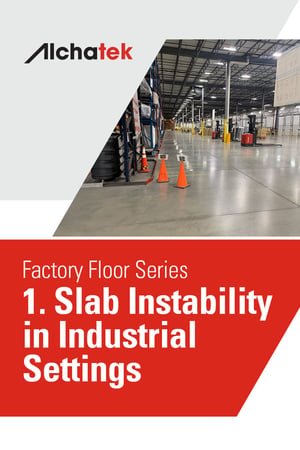 In the world of manufacturing and industrial operations, the integrity of facility floors often takes a backseat to more immediate concerns like machinery efficiency, workforce productivity, and quality control. However, the stability of concrete slabs in manufacturing plants and factories serves as the foundation upon which these critical operations rest. This article aims to shed light on the importance of maintaining stable slabs and to introduce the top 10 concerns that plant and factory managers face when dealing with unstable or sunken slabs.
 Alchatek specializes in cutting-edge solutions for infrastructure repair, including the use of polyurethane grouts for sealing leaks. In addition to manufacturing repair materials, we can refer you to contractors skilled in a wide range of applications, from crack injection to curtain wall grouting and more. We're passionate about helping municipalities and other organizations make the most of their budgets while ensuring the long-term integrity of their infrastructure.


 Proactive budget planning is essential, especially as the fiscal year nears its end, for sustainable city growth. Advanced leak sealing demonstrates an impactful way to utilize end-of-year budgets. Strategic spending can yield long-term municipal benefits through enhanced infrastructure integrity. Forward-thinking budget optimization, aided by innovative repair and maintenance solutions, is key for sustainable, resilient growth.
 In the realm of infrastructure repair, innovation often defines the line between outdated methods and cutting-edge solutions. One such innovation that stands out is the use of polyurethane grouts for sealing leaks. The advantages of polyurethane leak seal are especially apparent in the context of crack injection and curtain wall grouting.
 In the realm of municipal budgeting, the approach of year-end spending often prompts considerations about where to direct the remaining funds. While the temptation might be to disperse these resources broadly across different areas, it's vital to stress the importance of prioritizing infrastructure projects, specifically those related to sealing leaks.
 In the world of municipal finance, the phrase "use it or lose it" carries significant weight. This concept revolves around the annual budgeting process, where funds allocated to a municipality must be spent within a specific fiscal year, or they risk being forfeited.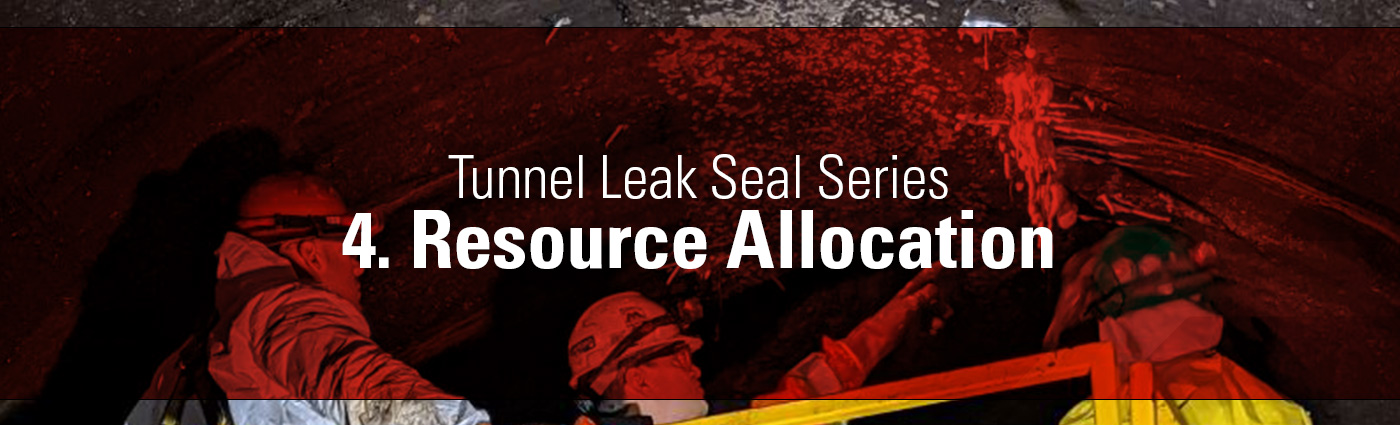
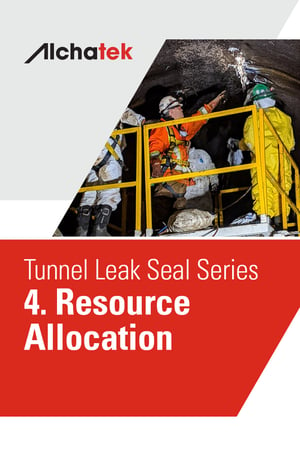 After identifying the presence of water leaks and exploring various sealing methods, the next aspect to consider is the financial implications. Managing tunnel leaks is both a technical challenge and a financial one. It’s critical to understand the direct and indirect costs associated with different sealing methods, along with strategies for effective resource allocation. This information is invaluable for civil engineers, tunnel maintenance teams, and infrastructure managers responsible for making budgetary decisions.
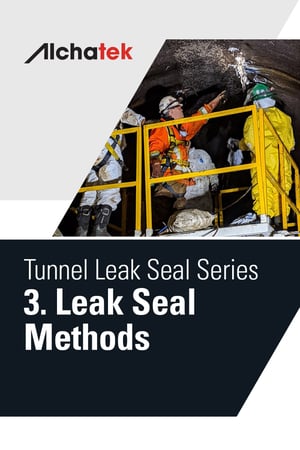 After identifying tunnel leaks, the next step is exploring sealing methods. While crack/joint injection and curtain grouting are common solutions, they are not one-size-fits-all. By understanding the range of options and their pros and cons, engineers, maintenance teams, and infrastructure managers can make informed decisions tailored to each leak's unique circumstances.
  Translate