
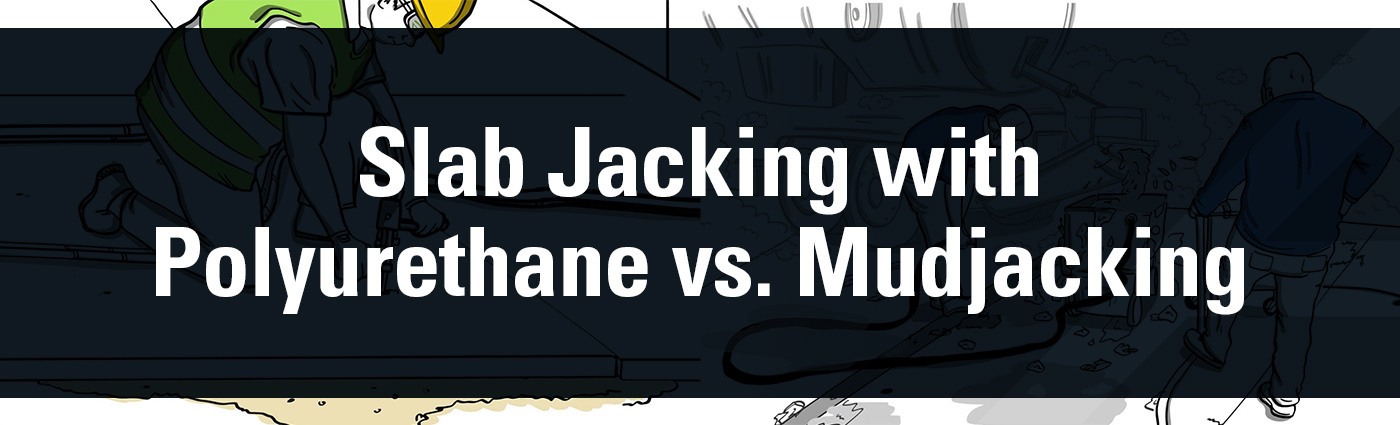
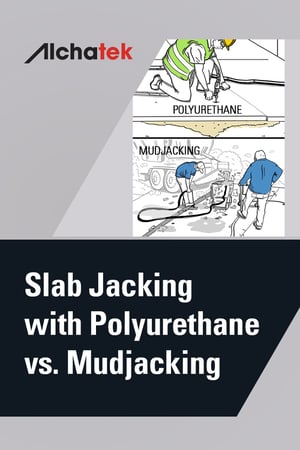
 When it comes to fixing sunken or uneven concrete slabs, homeowners have two main options: slab jacking with polyurethane and mudjacking (lifting with cement slurry). Both methods aim to level the slab without demolishing or replacing it. However, they differ in their approach and effectiveness.
What is Mudjacking?
Mudjacking involves pumping a mixture of cement, water, and other materials (known as "mud") under a sunken slab to raise it. This process has been around for over 60 years. While it can lift settled concrete, it has some drawbacks.
The weight of the mud material can be as much as 100 lbs per cubic foot, which can cause further settlement. Moreover, mudjacking requires drilling 2-3" holes in the concrete to pump the thick material through. These holes need to be patched and can be noticeable. Additionally, the mud pumped under the slab takes a lot of time to cure, sometimes up to a couple of days.
Benefits of Polyurethane Slab Jacking
In contrast, polyurethane slab jacking offers several advantages:- Lighter Weight: Polyurethane weighs only 2-4 lbs per cubic foot. This lightweight material helps stabilize the soil without adding extra weight that could cause further sinking. Furthermore, polyurethane expands to fill voids and crevices, providing excellent support.
- Smaller Holes: Polyurethane injection requires only 3/8" holes, which are much less noticeable when patched. This results in a cleaner and more aesthetically pleasing repair.
- Faster Curing Time: Polyurethane cures quickly, reaching up to 90% full strength in just 15 minutes. This means the slab can be used almost immediately after repair.
- Less Disruption with Minimal Equipment: Polyurethane slab jacking requires less heavy equipment compared to mudjacking, resulting in minimal disruption to the surrounding property. The process is less intrusive and can be completed more efficiently, causing less inconvenience to the homeowner.
- Permanent Bonding: Polyurethane forms a strong, permanent bond with the underside of the concrete slab. This creates a secure, long-lasting solution that effectively supports the slab and prevents future settling or sinking.
- Water Resistance and Erosion Prevention: Polyurethane is water-resistant, which helps prevent further erosion of the soil beneath the slab. By sealing out moisture, polyurethane minimizes the risk of future settling caused by water-related issues, ensuring a more stable and durable repair.
Considering these advantages, polyurethane slab jacking is optimal for most concrete leveling situations. Its durability, effectiveness, and ease of application make it the go-to solution. When considering slab jacking, homeowners should seek a qualified, experienced contractor to ensure the best results.
Lifting Concrete with Precision
When faced with sunken or uneven concrete slabs, slab jacking with polyurethane offers a more effective and long-lasting solution compared to mudjacking. Its lightweight properties, smaller application holes, and faster curing time make it an efficient choice for homeowners. By opting for polyurethane slab jacking and working with a reputable contractor, homeowners can successfully restore their concrete surfaces to a level and stable condition while avoiding the potential drawbacks of mudjacking.
Fill out this form or call 404-618-0438 for a contractor referral today!
Want more information on lifting concrete slabs with polyurethane?


 Unstable ground conditions can cause significant damage to structures built on sandy soils. However, sand stabilization with permeation grouting offers a solution to this problem by stabilizing loose sandy soils to create a solid base. This article explains the stabilization process.
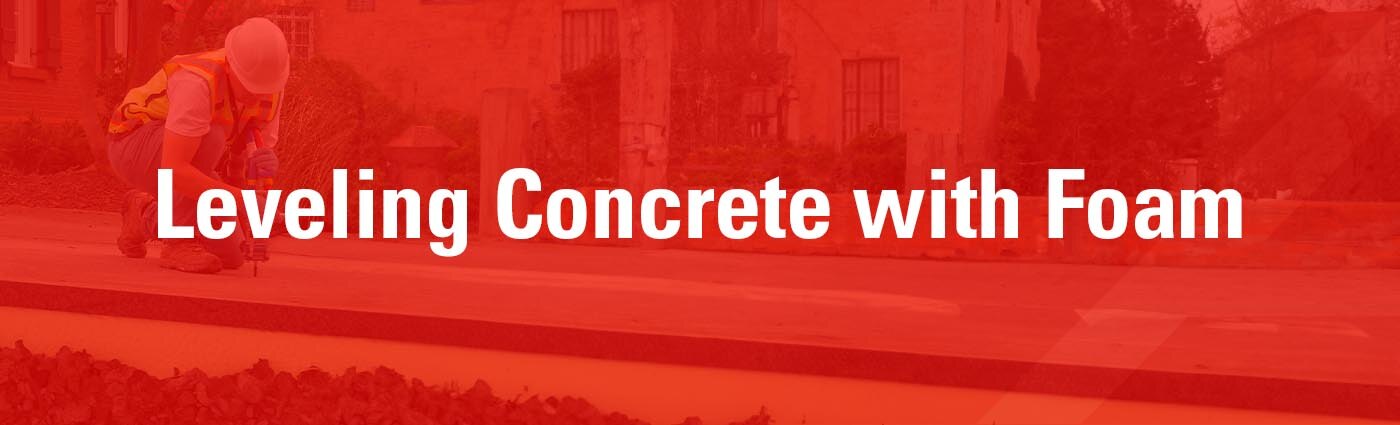
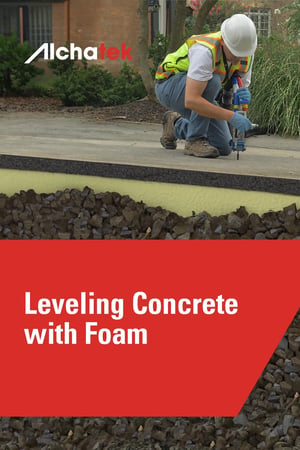 Sunken concrete slabs plague many property owners. Over time, erosion, shifting soil, compaction, and other factors lead to concrete settlement. As a result, neglecting this issue can cause structural damage, vehicle damage, trip hazards, and other liability risks. However, contractors skilled in leveling concrete with foam offer an efficient and effective solution.
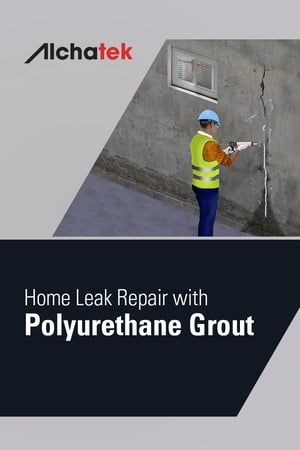 If you're a homeowner dealing with concrete leaks in your basement or below-grade living spaces, it's essential to hire an expert who specializes in polyurethane leak seal grouts. These advanced products offer a cost-effective, durable solution for waterproofing your home. Moreover, a skilled contractor will ensure that your home leak repair job is done right.

 As a homeowner, discovering a leak in your concrete slab can be a stressful and frustrating experience. Left untreated, slab leaks can lead to sinking concrete and structural issues. Fortunately, there is a highly effective solution: slab leak repair with curtain grouting.

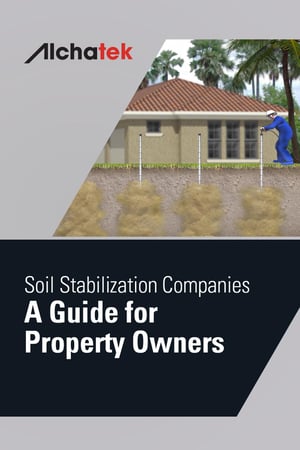 If you're searching for a soil stabilization company, you've probably noticed signs of unstable soil around your property, such as cracks or sinking in your patios, walkways, or pool decks. Unstable soil can lead to serious structural issues, but the right soil stabilization contractor can provide a lasting solution. Understanding the soil remediation process is an essential prerequisite for accurately evaluating soil stabilization companies.

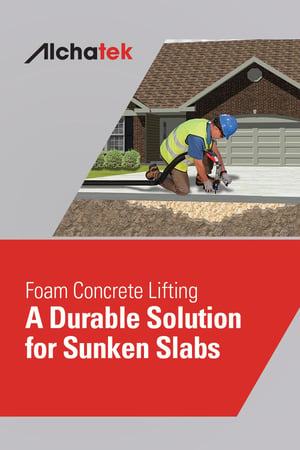 If you've noticed that your driveways, patios, or sidewalks have sunken slabs, it's time to consider a reliable solution: foam concrete lifting. This innovative technique involves pumping a lightweight, yet strong, material beneath the slab to level it out. This article explores the benefits of foam concrete lifting and why it's a great option for homeowners.
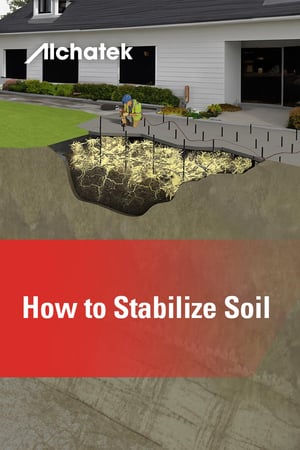 If you've noticed cracks or sinking in your patios, walkways, pool decks, or other slabs, the problem may lie beneath the surface. In fact, unstable soil around your home can lead to serious structural issues. But don't panic - there is a lasting solution. Keep reading to learn more about how to stabilize soil.
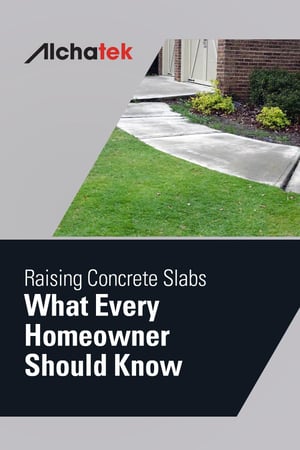 As a homeowner, you've probably seen sunken or uneven concrete slabs around your property. Not only are they unsightly, but they can also be dangerous trip hazards. Moreover, this problem can affect many areas, including:
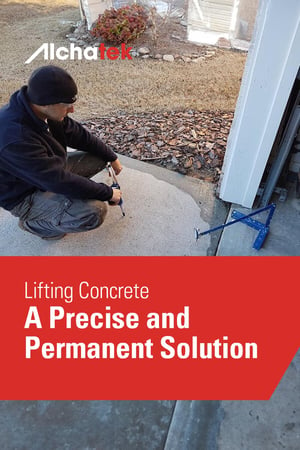 Do you have sinking or uneven concrete slabs around your home? Not only can they be an eyesore, but uneven walkways, driveways, and patios can also create tripping hazards and lead to costly accidents. Many homeowners assume their only option is to rip out the old concrete and pour new slabs. However, professional slab lifting offers a much better solution. Lifting concrete is a precise, permanent fix without the chaos and cost of ripping out and replacing old slabs. Keep reading to discover why slab lifting with polyurethane foam is the smart choice.
 Translate