

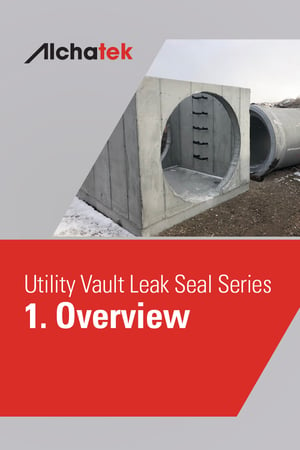
 Utility vaults are critical components of modern infrastructure, providing secure containment for electrical, telecommunications, or other equipment. They are designed to be robust and durable. However, one common but often overlooked issue is the occurrence of leaks, most commonly found in precast joints and pipe penetrations.
Precast Joints
Precast joints refer to the junctions between precast concrete sections that make up the walls and floors of the utility vault. Due to various factors like shifting soil or temperature fluctuations, these joints can develop gaps, leading to water ingress.
Pipe Penetrations
Pipe penetrations are openings made in the utility vault walls to accommodate pipes for utility lines. The sealing around these penetrations can degrade and/or the structure could shift slightly over time, allowing water to enter the vault.
Implications of Ignoring Leaks
Operational Impediments
Unaddressed leaks can lead to a host of operational challenges, including equipment corrosion, failure, or increased maintenance requirements. All these factors can adversely affect the reliability of utility services.
Safety Concerns
The presence of water in electrical utility vaults can result in hazardous conditions, such as increased risk of electrical short circuits. For the workforce responsible for maintenance, this becomes a significant safety hazard.
Economic Impact
Ignoring leaks leads to more than just operational inefficiencies; it also brings about financial burdens. The costs associated with repeated maintenance, equipment replacement, and potential utility service downtime can add up quickly, impacting your bottom line negatively.
Sealing Leaks with Polyurethane Grout
So, what can be done to mitigate these issues effectively? One answer lies in the use of polyurethane grout, a specialized solution for sealing leaks in utility vaults. The subsequent parts of this series will delve into the technical aspects of this method, its advantages over other methods, and tips on finding a qualified contractor.
Key Takeaways
- Utility vaults are prone to leaks, particularly at precast joints and pipe penetrations.
- Ignoring these leaks can result in operational impediments, safety concerns, and a negative economic impact.
- Polyurethane grout offers a promising solution to these challenges, a topic that will be discussed in detail in the upcoming parts of this series.
Want more information on sealing leaks with polyurethane grout?



 Uneven concrete slabs raise risks for retail establishments during crowded holiday shopping seasons. Unlevel concrete can easily cause tripping accidents, injuries, lawsuits, and disruptions. To mitigate these issues, retail owners need to address slab problems proactively before the holiday rush. Durable polyurethane concrete leveling is an optimal solution for lifting, stabilizing, and filling voids in sunken concrete.

 Collaborating with skilled contractors is key to developing effective slab repair plans and ensuring customer safety. The partnership involves assessing slab and soil conditions to identify appropriate solutions like lifting, stabilization, or void-filling. Timing repairs to minimize business disruptions also requires collaboration.
 The holiday season is almost upon us, and as a retail establishment owner or manager, you're likely gearing up for the rush of customers that this festive time brings. Amidst the excitement and anticipation, it's crucial not to overlook a key aspect of ensuring a successful and safe holiday season: addressing sunken and unlevel slabs on your property.
 Concrete Leveling with Polyurethane
 As the holiday season approaches, the air becomes crisp with excitement, and retail establishments prepare for a surge in customer traffic. The festive spirit fills the air, but it also brings with it a set of unique challenges, particularly when it comes to maintaining safety and stability on your property.
 If you own or manage a below-grade parking garage, contact Alchatek for more information about protecting your property from water damage. Our team can provide insights and recommendations tailored to your facility's unique waterproofing needs.
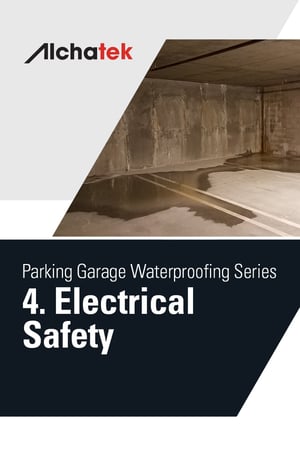 Below-grade parking garages are susceptible to moisture due to their subterranean nature. This moisture can pose significant risks to the electrical systems within these structures. Water leakage around electrical conduits can lead to short circuits, electrical fires, and even electrocution hazards. These risks not only endanger lives but can also result in substantial legal liabilities for garage managers.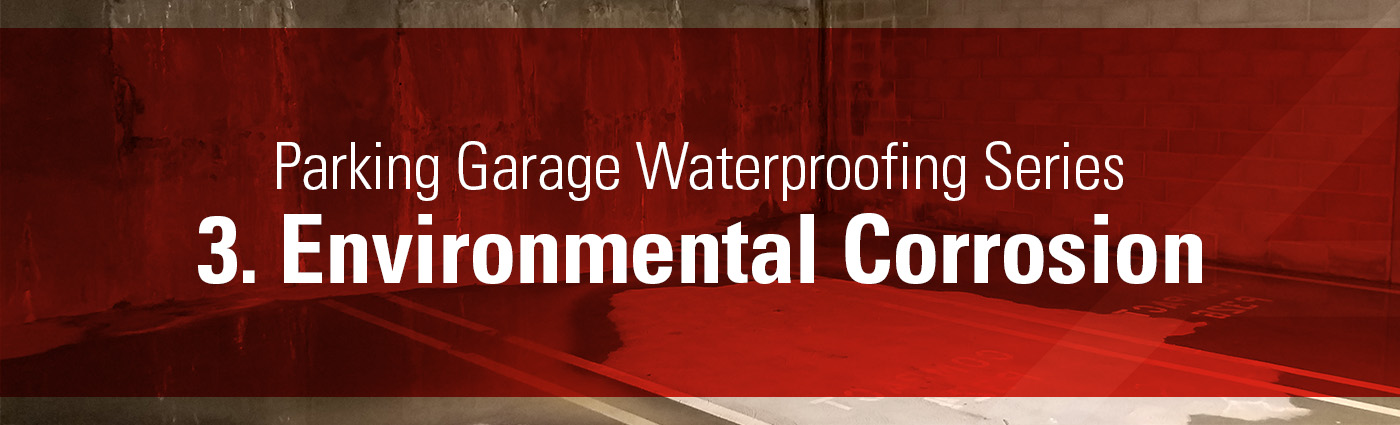
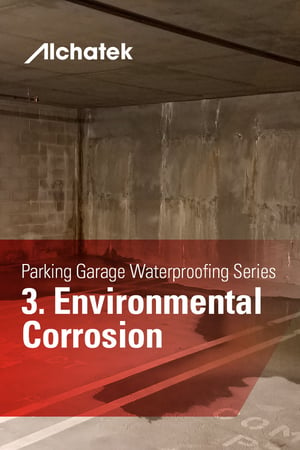 Environmental corrosion poses a significant threat to the longevity and safety of below-grade parking garages. Elements like salt, chemicals from car exhaust, and even groundwater can have a corrosive effect on the concrete and metal components of these structures. Over time, this corrosion can weaken the garage's structural integrity, leading to costly repairs and safety risks.
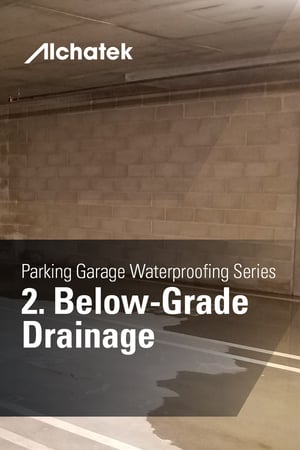 Below-grade parking garages are particularly susceptible to drainage issues, given their sub-surface location. These challenges can manifest in various ways, from structural damage to safety hazards for users. Effective water management becomes crucial in mitigating these issues.
 Translate