
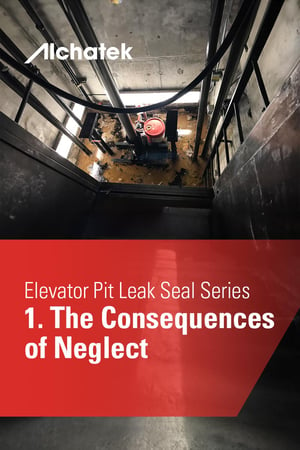
 In the world of commercial and industrial buildings, hydraulic elevators are a common fixture. Integral to these systems are elevator pits, located at the bottom of the elevator shaft. They house important components that facilitate the elevator's movement. While often overlooked, these pits are vital for the smooth operation and safety of the elevator system.
The Problem of Water Leakage
Water leakage in elevator pits can arise from various sources such as groundwater seepage or pipe leaks. Irrespective of the source, the presence of water in these pits is not a situation to be taken lightly. It poses risks not only to the elevator system's integrity but also to the overall safety and compliance of the building.
Consequences of Ignoring Water Leakage
One of the gravest concerns with water accumulation in elevator pits is its potential to mix with the hydraulic oil used in the elevator system. This mixture creates an environmental and safety hazard known as oily water. Oily water presents several challenges:
- Environmental and Safety Hazards: The mixture of oil and water can lead to environmental contamination. Additionally, it poses a significant fire risk, given the flammability of hydraulic oil.
- Equipment Damage: Prolonged exposure to water can lead to corrosion and failure of critical elevator components. This not only leads to increased maintenance costs but can also result in costly downtime for repairs.
- Legal and Regulatory Implications: The creation of oily water can violate environmental regulations, leading to potential fines and legal action. Buildings are required to adhere to strict environmental standards, and failure to manage oily water properly can result in severe penalties.
The risks highlighted above underscore the importance of addressing water leakage issues promptly. Early detection and repair can prevent the formation of oily water, saving property owners from the expensive and complex process required for its removal.
The Solution
The next post will cover the solution to this problem – the use of polyurethane grout. This innovative method offers an effective and long-lasting solution to water leakage issues, ensuring the safety and compliance of elevator systems.
Want more information on sealing leaks with polyurethane grout?


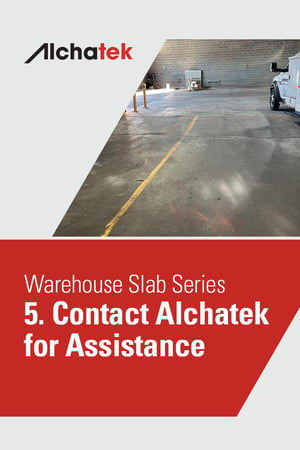 In the world of warehouse and distribution center management, the condition of your concrete slabs is not a minor detail—it's a critical component that impacts safety, equipment longevity, and operational efficiency.
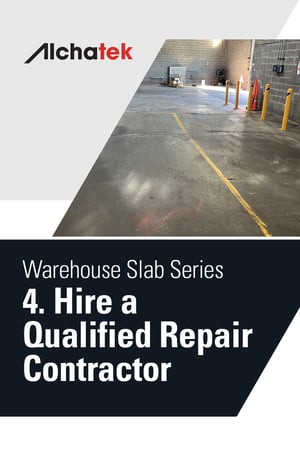 Choosing the right contractor for slab stabilization and leveling work in a warehouse or distribution center is a decision that carries significant weight. The quality of the repair work not only affects the immediate operational efficiency but also has long-term implications for safety, equipment longevity, and overall maintenance costs. A poor choice can lead to subpar work, requiring additional repairs and causing more operational disruptions. On the other hand, a skilled contractor can efficiently resolve floor issues, minimizing downtime and maximizing the lifespan of the repair.
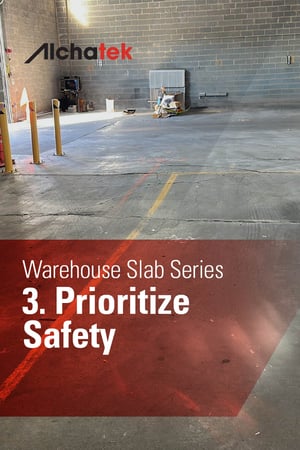 In the fast-paced environment of a warehouse or distribution center, safety is a paramount concern. One often overlooked factor that can significantly impact safety is the condition of the floor. Uneven or unstable floors can create hazards that put employees at risk. Tripping, slipping, and falling are just a few of the accidents that can occur when floors are in poor condition. Additionally, material-handling equipment like forklifts can tip over or lose control, leading to more severe accidents or even fatalities.
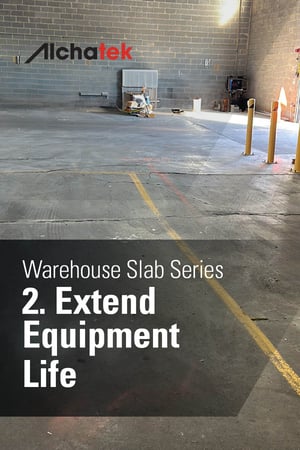 In a warehouse or distribution center, the condition of the floor can have a direct impact on the lifespan of material-handling equipment like forklifts, pallet jacks, and conveyors. Uneven or unstable floors can cause excessive wear and tear on these machines, leading to frequent breakdowns and increased maintenance costs. Over time, this can significantly reduce the lifespan of expensive equipment, necessitating premature replacements and adding to operational costs.
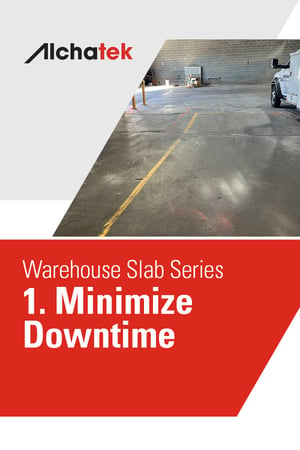 Operational downtime in a warehouse setting has far-reaching consequences that go beyond the immediate financial losses. When a warehouse floor requires repair, the disruption to the supply chain can be significant. Suppliers and customers alike feel the impact of delays, and the ripple effect can damage relationships and erode trust. Additionally, downtime affects employee productivity and morale, leading to a potential decrease in work quality and an increase in turnover rates. In a just-in-time supply chain, even a brief period of downtime can result in stockouts at retail locations, leading to lost sales and damaged customer relationships.
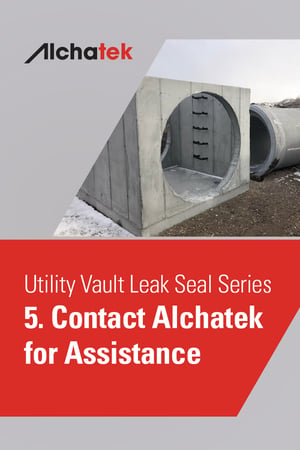 The importance of properly sealing leaks in utility vaults cannot be overstated. Utilizing the right materials and following best practices are fundamental. However, the process doesn't stop there; selecting the right contractor is a crucial decision that directly impacts the quality and longevity of your repair.
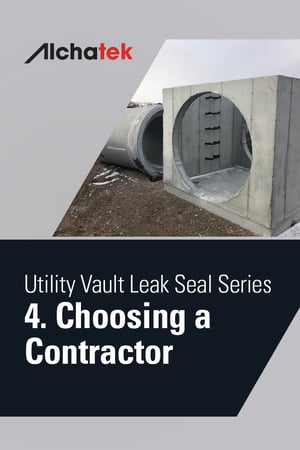 The quality of workmanship directly impacts the effectiveness and longevity of the repair, making it imperative to choose a contractor wisely.
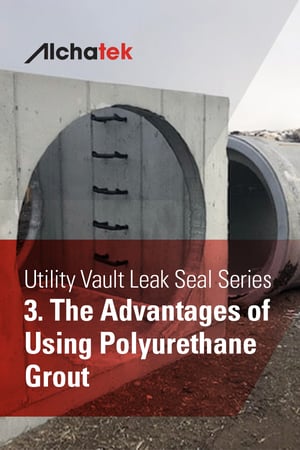 Leak sealing in utility vaults is a critical aspect of maintaining infrastructure integrity. Various methods and materials are available for this purpose, but they are not all equal in terms of performance.
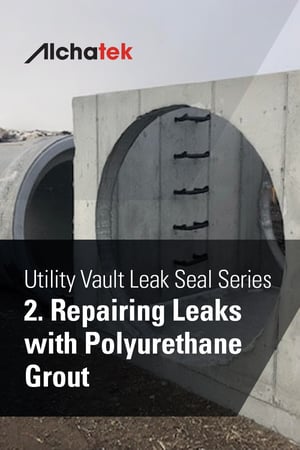 Regarding water infiltration in utility vaults, precast joints often serve as weak links. Conventional methods like cementitious grouting offer temporary solutions but often fail to withstand structural movements or shifting over time, resulting in a reoccurrence of leaks.
 Translate