

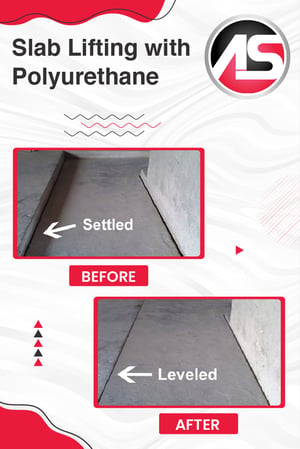
 Slab Lifting Overview
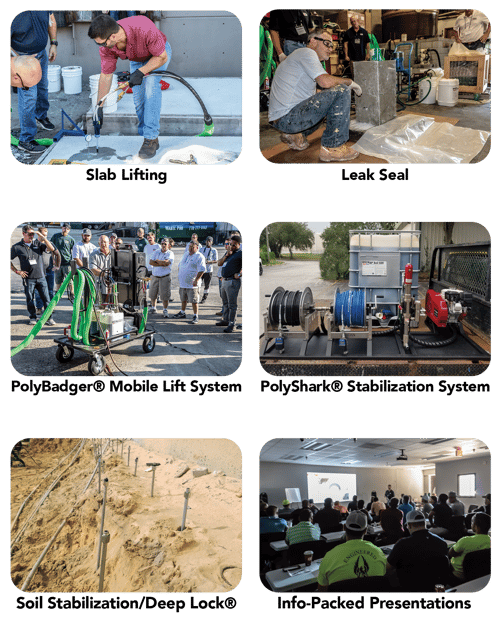
Over time, concrete surfaces settle and need to be lifted and leveled. Polyurethane foam is an effective slab lifting method. The process involves injecting polyurethane into voids beneath the concrete surface to lift and level the slab. Cost-efficient and effective, this method has become increasingly popular over time.
Slab lifting with polyurethane is non-invasive, quick, and causes minimal disruption to nearby areas. Small holes are drilled into the concrete and foam is injected through them. The foam expands, filling voids beneath the slab and lifting it back to its original position.
Slab Lifting Products
Every member of Alchemy-Spetec's industry-leading technical support team is thoroughly versed in the art and science of slab lifting with polyurethane. Contact us today at 404-618-0438 for assistance with your next slab lifting project.
Want more information on slab lifting with polyurethane?


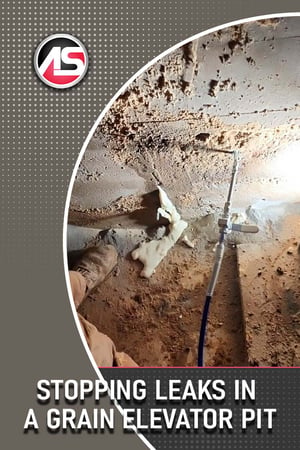 So, you have another clog in your boot? Well, your grain elevator boot that is. This means shutting down to clean your grain elevator. Which means loss of production, loss of grain, and delays. Drains and sump pumps clog and can be unreliable.

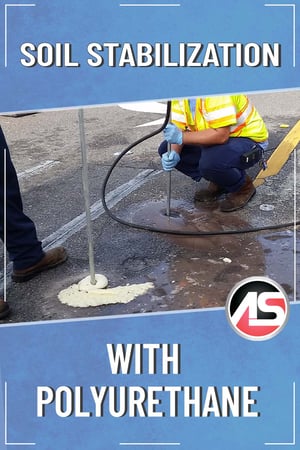 Unstable soil can be a real nightmare. Existing structures, new construction projects, and excavation projects alike require strong supporting soil. Rain, freeze-thaw cycles, erosion, poor compaction, and excessive water saturation all pose a threat. The planet consists of 70% water and 30% land. Unstable soil is everywhere.


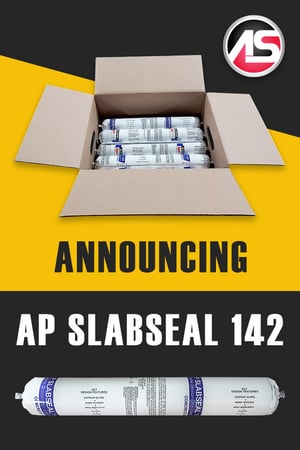 Repair Cracks and Joints in Concrete

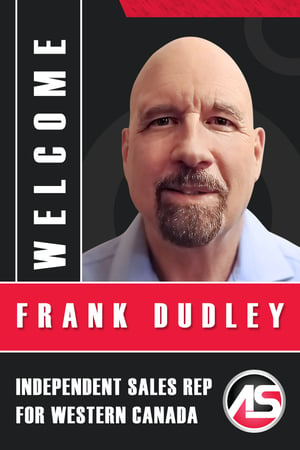 Frank Dudley has worked in the polyurethane foam industry for over 15 years. He is well-versed in commercial and industrial spray foam and slab jacking as a project manager, including significant experience with new company start-ups. His project management expertise ranges from small jobs to large operations requiring hundreds of technicians. As a Sales Manager in Western Canada for a major US polyurethane manufacturing company, Frank spent five years providing critical assistance and support to customers in the region. Throughout his career, Frank has worked in various locations around the globe in a variety of industries including fireproofing, coatings, grouting & CPG materials.

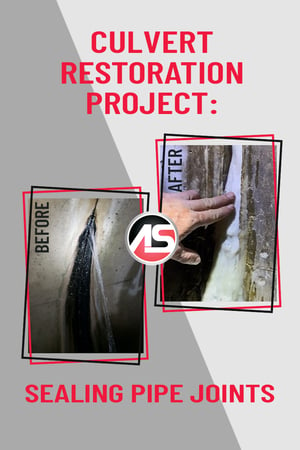 A major culvert restoration project was recently completed by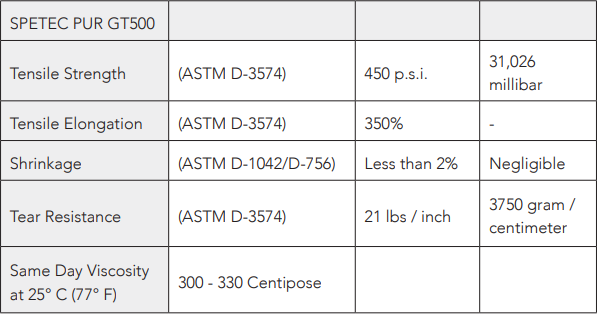

 Translate