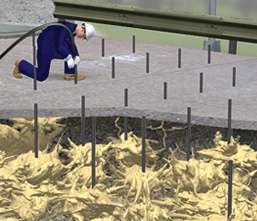
 In this post we'll take a look at a couple of important, early articles we posted on soil stabilization.
The first article is an overview of the causes of unstable soil. I wrote this post as an introduction to a multi-part series on the subject. A thorough understanding of why soil becomes unstable is helpful for anyone looking at soil stabilization products and trying to determine which one is appropriate for a particular job. Study this subject if you want to deepen your understanding on the subject of soil stabilization in general.
The other article is about stabilizing soil in wet environments. Not every stabilization product is designed to work properly in wet soil. Read this article for brief breakdown on the matter.
The Causes of Unstable Soil: A Brief Overview
Unstable soil can be defined as soil that will not stay in place on its own, and therefore requires extra support. It should be noted that unstable soil can threaten the stability, security, and safety of infrastructure and can damage, degrade, and even destroy a number of structures, such as buildings, bridges, and roads.
There are a variety of factors that can cause unstable soil, including:
- Erosion
- Poor Compaction
- Freeze/Thaw
- Decomposition
Erosion refers to processes in which external elements (wind, water, etc.) remove soil or rock from a certain location and transport it to another location. There are a variety of different erosion types, including river and gull erosion, wind erosion, and erosion attributed to human activity. Erosion ultimately destabilizes soil and can lead to landslides and sinkholes.
Read more in the post The Causes of Unstable Soil: A Brief Overview.
Soil Grouting - Polyurethane vs. Water
Not all two component polyurethane lifting and stabilizing foams are specifically designed for wet environments. In most situations when you are injecting polyurethane foam into the ground, there is a high probability that the environment is going to be wet. You need to be confident that the foam will react and retain the desired properties in these wet environments. If the foam you are using is not specifically designed for wet environments, then you may be cheating yourself and your customer out of the best possible results.
Read more in the post Soil Grouting - Polyurethane vs. Water.
Want more in-depth info on soil stabilization products and procedures?


.png?width=328&name=AP%20Soil%20600%20(1).png) In this post I'll provide an overview of AP Soil 600.
In this post I'll provide an overview of AP Soil 600. In this post, I will provide a brief overview of Alchemy-Spetec's

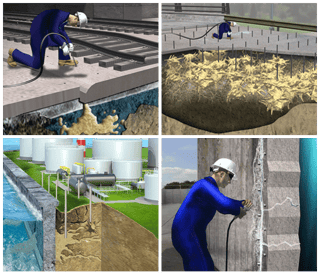 As the end of the year approaches, it feels appropriate to take a look back at some the most popular Alchemy Polymers blog posts. A quick look at the stats on the day I write this article reveals the top posts to be

 Translate