
 Addressing the complexities of coating failure requires more than just a superficial understanding of the issue. It necessitates a deep dive into the technical aspects and an experienced partner to guide the process.
For Contractors: Guidance and Product Access
Guidance from experienced specialists provides major advantages when dealing with coating failures. The right partner will have deep knowledge of leading repair products and solutions to accurately diagnose issues and devise effective repair strategies. Contractors can benefit from Alchatek's expertise and facilitate access to high-quality products like Spetec PUR HighFoamer through their distribution network. This thoughtful approach saves contractors time in devising solutions while ensuring access to optimal materials.
For Property Owners & Managers: Guidance and Contractor Referrals
Property owners seeking solutions for coating failure damage need a partner who can provide expert technical guidance and connect them with qualified repair contractors. Partnering with Alchatek for coating failure projects provides comprehensive support beyond just an immediate fix.
Contact Alchatek for Assistance
Whether you’re a contractor seeking to accurately diagnose and repair issues or a property manager aiming to preserve real estate assets, guidance from industry experts proves invaluable. Technical mastery combined with access to optimal materials paves the path to effective long-term solutions.
Call 404-618-0438 or fill out this form to contact Alchatek today!
Want more information on sealing leaks with polyurethane grout?


 In the field of coating failure solutions, curtain grouting with polyurethane is very effective, especially in scenarios where water intrusion is a primary concern. Curtain grouting is an effective method that not only addresses existing coating failures but also acts as a preventive measure.
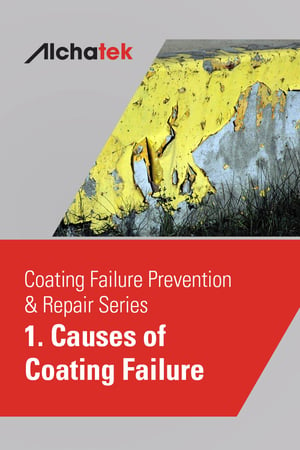 Coatings are more than just a cosmetic layer on a structure; they play a vital role in protecting buildings from various environmental factors. Essentially, a coating is a layer of material applied to the surface of an object, intended to protect, decorate, or add functionality. In terms of structural integrity, coatings serve as a barrier against moisture, chemicals, UV radiation, and mechanical wear. They prevent corrosion, enhance durability, and ensure that the underlying material, such as concrete, metal, or wood, remains unharmed by external elements.
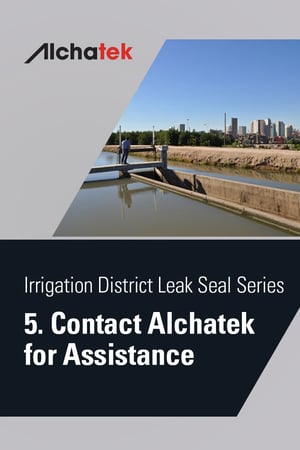 Maintaining irrigation canals effectively is a complex task that often requires specialized knowledge and skills. While do-it-yourself approaches can be useful for minor issues, more intricate challenges in canal maintenance typically necessitate professional input.
 Concrete-lined canals are a cornerstone of modern irrigation infrastructure, designed for efficient water conveyance. However, one of the challenges faced with these systems is leaking panel joints. These joints, where concrete panels meet, can become vulnerable points, undermining the efficiency of the canal, and leading to water loss. Sealing these leaks is crucial for maintaining the structural integrity and operational efficacy of lined canals.
 In the world of irrigation canal maintenance, wildlife-induced challenges often lurk out of sight. Gophers, muskrats, and beavers can create complex tunnel networks in canal berms, leading to significant water leakage. These wildlife burrows, if not properly addressed, can result in water escaping from the canal, seeping into the surrounding land, and potentially causing damage to nearby agricultural areas.
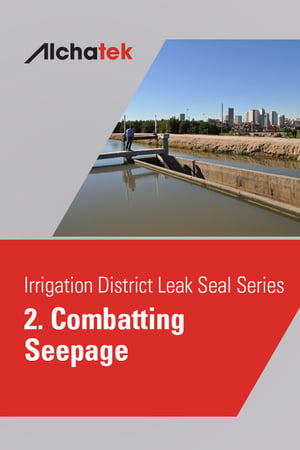 Seepage in irrigation canals is an insidious problem, often hidden beneath the surface, yet it poses a significant threat to the efficiency and safety of water delivery systems. This common issue arises when water infiltrates through the soil surrounding the canal, leading to water loss and potential structural damage. Understanding and addressing seepage is crucial for maintaining the integrity and functionality of irrigation canals.
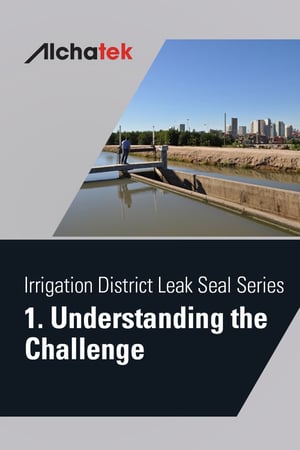 Irrigation canals are lifelines of the American agricultural landscape. Spanning thousands of miles across the country, irrigation canals deliver vital water resources to farmlands, fostering the growth of crops that feed millions. However, maintaining the integrity of these extensive waterways is a challenge that often goes unseen, yet is crucial for the sustainability of our agricultural system.
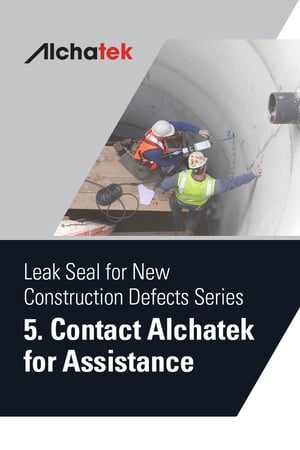 Taking proactive measures to stop early water intrusion issues that crop up during new construction projects is key to avoiding extensive damage and repairs later. Alchatek's leak prevention recommendations for new construction often utilize customized polyurethane sealants and barriers. These solutions provide maximum protection against water seepage through walls, floors, joints, entry points for utilities/conduits, and below-grade foundation surfaces.
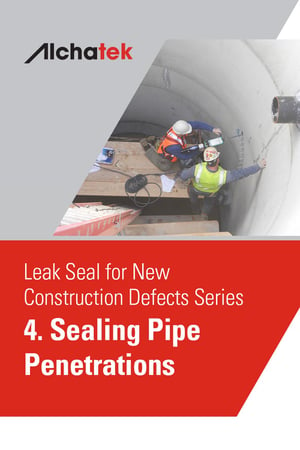 Pipe penetration sealing is a critical aspect of waterproofing in new construction, addressing the potential leaks that occur where pipes and conduits penetrate walls and floors. These penetration points are often the weakest links in a building's defense against water intrusion, particularly in areas subjected to high moisture or water pressure.
 Translate