

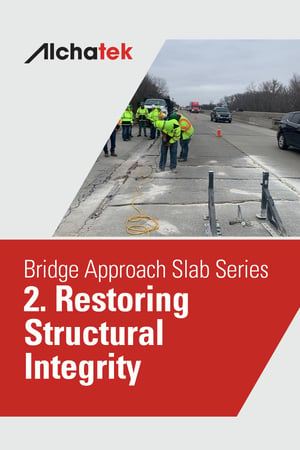
 Structural integrity often takes center stage when discussing the engineering behind bridges, leaving the bridge approach slabs in the periphery. Yet, the approach slabs bear significant loads, channel them effectively into the bridge structure, and play a crucial role in maintaining the structural integrity of the entire bridge system. When these slabs sink or become uneven, the ripple effect goes beyond vehicle safety, impacting the structural equilibrium of adjoining infrastructure. Thus, maintaining their integrity becomes a multi-faceted endeavor.
The Ripple Effect on Infrastructure
A sinking or unstable bridge approach slab doesn't just create bumps or dips; it can negatively impact adjacent roadways, the bridge deck, and even substructures like piers and abutments. Any settling or misalignment in the approach slab can redistribute loads in an unintended manner, leading to stresses that can accelerate wear and tear on these adjoining structures. In a worst-case scenario, this can lead to a chain reaction that affects the long-term durability and safety of the bridge itself.
The Role of Polyurethane Foam in Structural Integrity
Polyurethane foam isn't just a tool for eliminating the notorious "bump at the end of the bridge." It serves a broader engineering purpose by restoring and enhancing the structural integrity of the bridge approach slabs and, by extension, the whole bridge system. The foam stabilizes the soil beneath the approach slab and levels it if necessary, providing a uniform base that effectively redistributes loads and alleviates undue stress on adjacent structures. Additionally, polyurethane foam offers a reliable long-term solution. Traditional methods might provide temporary relief but fail to address the root cause of the problem. By stabilizing the soil underneath the slab, polyurethane foam delivers a comprehensive solution that holds up under varying environmental conditions and load scenarios.
Analyzing Before Applying: The Role of Pre-Assessment
Before employing polyurethane foam, a thorough pre-assessment of the site conditions, the state of the approach slabs, and adjoining structures is crucial. This often involves techniques like ground-penetrating radar to detect soil instability beneath the slab, as well as load-distribution studies to understand how the existing slab interacts with the bridge and roadway. The data collected serves as a basis for the project plan.
The Application Process Detailed
Executing a stabilization project involves several meticulous steps. The first is drilling small holes in the approach slab at strategically determined locations. Next, using specialized equipment, polyurethane foam is injected underneath the slab. Technicians carefully monitor the injection process, controlling the rate and volume of foam to ensure adequate stabilization without over-expansion that could over-lift or damage the slab or adjacent structures. Once the slab is stabilized and leveled, the holes in the slab are sealed, restoring its original surface integrity.
Want more information on geotech polyurethane grout applications?


 The role of bridge approach slabs in vehicle safety and infrastructure integrity is critical but often underestimated. When these slabs begin to sink, the consequences can be dire, ranging from vehicular damage to potential accidents. Such sinking typically originates from imbalances and instability in the underlying soil. It's not just an issue to be patched; it's about stabilizing the ground itself to ensure long-term durability and safety.
 For municipalities, the adoption of polyurethane grout represents a commitment to cost efficiency, sustainability, and long-term planning. The following outlines the steps municipalities can take to effectively implement polyurethane grout solutions, ensuring that technical proficiency goes hand-in-hand with the economic benefits.

 In the realm of wastewater management, the conversation around repair methods is often punctuated by the concern for cost. For municipal managers and administrators, understanding the financial implications of infrastructure repair decisions is as crucial as comprehending their technical benefits.
 Municipal managers and administrators may be interested in the ways in which polyurethane grout can be strategically applied to different structures within the wastewater system—manholes, pipes, and lift stations—to ensure efficient, cost-effective operations.
 In the quest to maintain robust wastewater infrastructure, polyurethane grout emerges as a material that exhibits superior sealing capabilities, flexibility, and longevity. Its unique chemical structure allows it to expand upon contact with water, creating an effective and durable seal that traditional materials cannot match.
 Wastewater management is an essential component of municipal operations, pivotal for public health and environmental protection. The intricate network of sewers, manholes, and lift stations must always function optimally. Ensuring the integrity of this infrastructure is not just about maintenance; it’s about safeguarding the community's well-being.
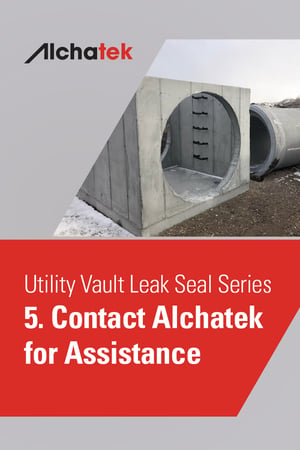 The importance of properly sealing leaks in utility vaults cannot be overstated. Utilizing the right materials and following best practices are fundamental. However, the process doesn't stop there; selecting the right contractor is a crucial decision that directly impacts the quality and longevity of your repair.
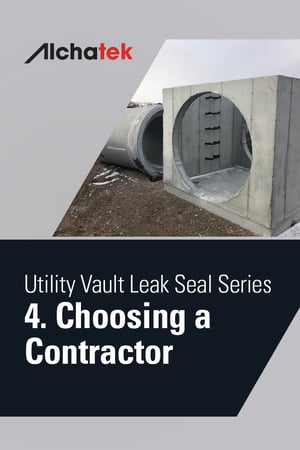 The quality of workmanship directly impacts the effectiveness and longevity of the repair, making it imperative to choose a contractor wisely.
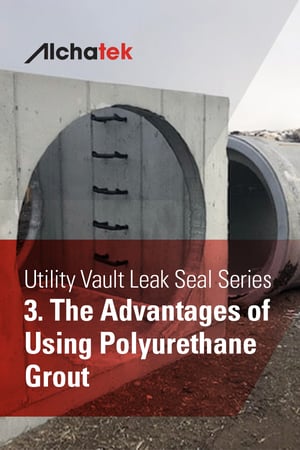 Leak sealing in utility vaults is a critical aspect of maintaining infrastructure integrity. Various methods and materials are available for this purpose, but they are not all equal in terms of performance.
 Translate