

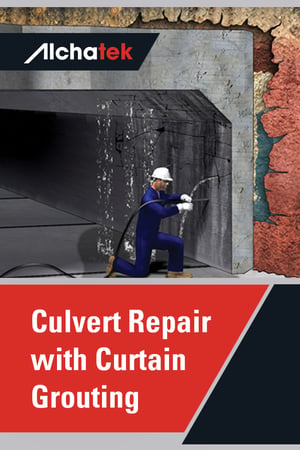
 Aging culverts pose a significant challenge for many communities. As these vital drainage structures deteriorate, they can lead to road collapses, flooding, and environmental issues. Fortunately, culvert repair with curtain grouting offers a powerful and efficient solution to this problem. Moreover, this innovative technique can extend the life of culverts without the need for costly and disruptive excavation.
What is Curtain Grouting?
Curtain grouting is a specialized leak-sealing method. Specifically, it involves injecting water-activated resin through a leaking wall in a grid pattern. Once injected, the resin interacts with water on the other side. Consequently, it cures into a solid mass, effectively sealing the leak. This approach is particularly useful when there are many cracks or when cracks are not easily identifiable. Additionally, it proves effective in situations where traditional repair methods have failed.
The Curtain Grouting Process
The process of culvert repair with curtain grouting is straightforward yet effective. Here's a simplified overview:
- First, technicians drill holes in a diamond pattern along the culvert wall.
- Next, they inject grout from the bottom row upwards.
- Subsequently, the grout flows down on the other side of the wall, creating overlapping circles of sealant and curing to stop the leaks.
This systematic approach ensures comprehensive coverage and, as a result, provides a robust seal against water infiltration.
Materials Used in Culvert Repair
Several types of resins are suitable for culvert repair with curtain grouting. These include:
- Spetec PUR H100: Offers lower expansion but more flexibility
- Spetec PUR H200: Provides high expansion with some flexibility
- Spetec PUR HighFoamer: Combines high expansion with enhanced flexibility
- Spetec AG200: Features low expansion but high flexibility and low viscosity, ideal for tight spaces
In essence, the choice of resin depends on the specific conditions of each culvert repair project. Furthermore, the versatility of these materials allows for tailored solutions to various leak scenarios.
Benefits Beyond Culverts
While this article focuses on culvert repair with curtain grouting, it's worth noting that this technique has broader applications. It's equally effective for sealing leaks in manholes, water treatment plants, catch basins, tunnels, and even basements. Therefore, this versatility makes curtain grouting an invaluable procedure in infrastructure maintenance.
A Lasting Solution for Leaking Infrastructure
Culvert repair with curtain grouting represents a significant advancement in infrastructure maintenance. A durable, flexible seal addresses the root causes of leaks and structural decay. Furthermore, it does so with minimal disruption to daily life and the surrounding environment. In conclusion, as communities grapple with aging infrastructure, this technique offers a beacon of hope for efficient, effective repairs. Ultimately, curtain grouting provides a long-term solution to the ongoing challenge of maintaining critical drainage systems.
Fill out this form or call 404-618-0438 for a contractor referral today!
Want more information on curtain grouting?


 Essential Details

 Are you a contractor looking to expand your service offerings? Consider becoming a

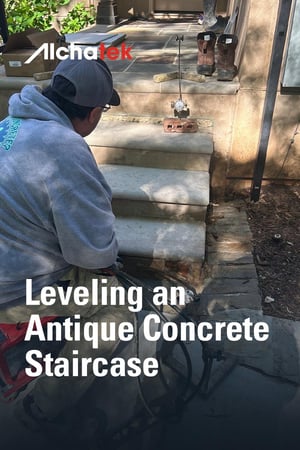 A sunken concrete staircase posed a unique challenge in a grand mansion undergoing renovation for sale. The vintage stairs had settled unevenly, with the right side sinking three inches and the left two inches. This issue arose after the driveway slab had been replaced and the supporting slab around the staircase had been partially cut out. Rather than opting for costly replacement, the property owner sought a permanent solution to restore the staircase's level and preserve its aesthetic harmony with the surrounding patio. Enter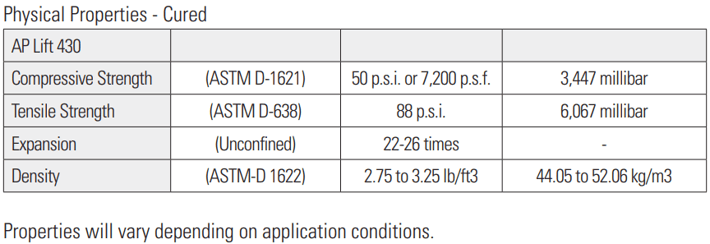


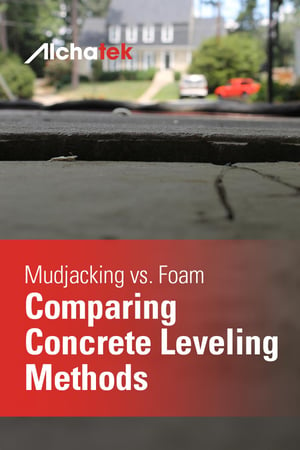 When addressing sunken concrete slabs, homeowners often choose between two primary methods: mudjacking vs. foam lifting. Both techniques aim to elevate and level concrete without complete replacement. However, these methods differ significantly in their approach and effectiveness. This article examines the details of mudjacking vs. foam to assist in making an informed decision for concrete repair needs.
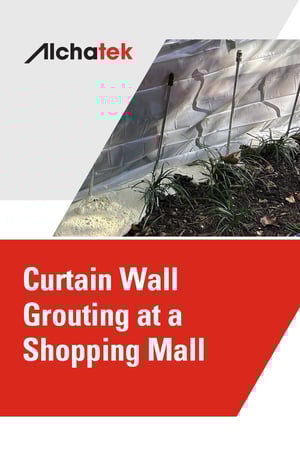 At Krog Street Market in Atlanta, a shop about five feet below grade had water infiltration issues during heavy rains. The foundation wall was leaking, causing problems for the shop owner. To address this issue, leak seal experts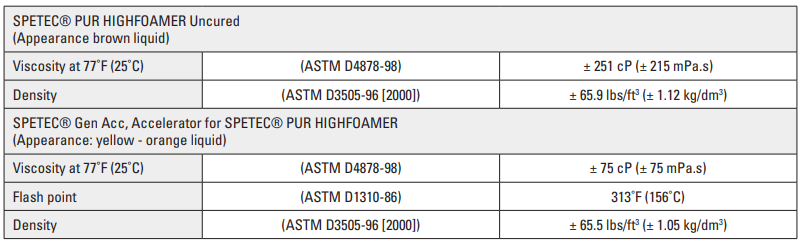

 Administrators at Orange County, Florida Public Works had a pressing issue. Settlement was occurring along a quarter-mile stretch of a three-lane roadway. The culprit? Loose, sandy soils combined with a high water table. Before repaving could begin, stabilizing the supporting soil was crucial. This case study explores how the problem was addressed and resolved. This project showcases innovative solutions for common infrastructure challenges in areas with problematic soil conditions.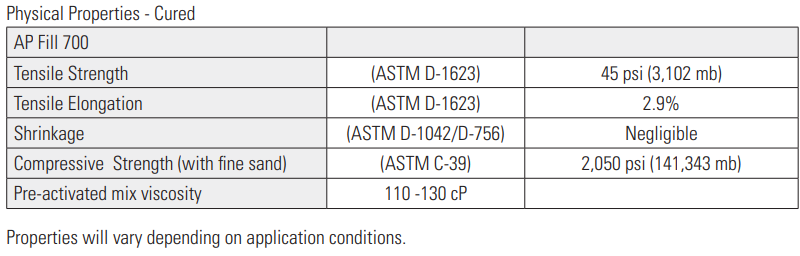


 A critical safety issue arose at a large paper manufacturing plant.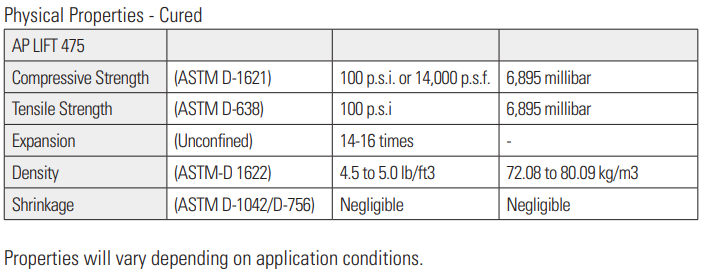
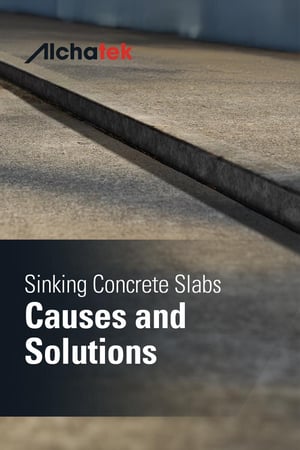 Many property owners face the frustrating issue of sinking concrete slabs. This problem not only affects the appearance of the property but also poses safety risks. Fortunately, modern solutions can effectively address sinking concrete without the need for complete replacement. Let's explore the causes of this common problem and discuss innovative repair methods.
 Translate