

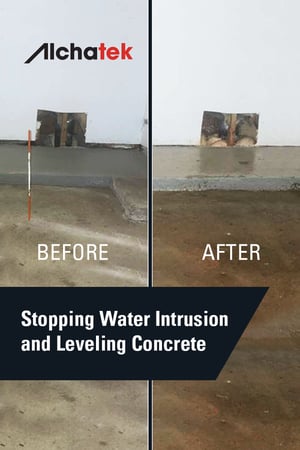
 Suburban Basement was contracted to address a multifaceted water intrusion issue on a Rochester Hills, Michigan property. The basement had water ingress from both the furnace ductwork and the foundation. The ductwork, extending through the foundation wall into a garage-adjacent wall cavity, had sections below grade behind a garage curb. The root of the problem was water pooling under the back curb, caused by settled garage slabs from the main vehicle entrance.
Initial Assessment
The project was divided into two phases: first, addressing the leaking foundation and furnace ductwork, and second, void filling and concrete leveling of the garage floor and curb. The complexity arose from the undermined garage slabs and the need to prevent water intrusion while ensuring the safety of the furnace ductwork.
Proposed Solution
For the initial water intrusion, Suburban Basement proposed using Alchatek’s Spetec PUR Highfoamer for curtain grouting, given the limited accessibility and its fast reaction time. For the concrete leveling and void filling, AP Lift 430 was selected due to its expansion rate, soil stabilization capabilities, water displacement properties, and quick curing time for vehicle traffic.
Procedures
- Applied curtain grout to the positive side of the wall to stop water intrusion and encapsulate the dual wall furnace ductwork
- Commenced void filling and leveling at the garage curb, progressing toward the main vehicle entrance
- Filled all voids beneath the garage curb and leveled the concrete across all areas of concern
- Conducted water tests to ensure all leaks were addressed before proceeding to phase two
- Performed void filling and concrete leveling, displacing significant amounts of water near the main vehicle entrance
Results
The project was completed successfully in two phases, with the curtain grouting finished within hours and the void filling and concrete leveling taking approximately half a day. All leaks were effectively stopped, and the concrete was successfully leveled. The homeowner expressed high satisfaction, notably as previous repair attempts had failed. Suburban Basement’s solution not only resolved the immediate water intrusion problems but also extended the lifespan of the garage concrete and driveway, providing a comprehensive fix to a complex issue.
Want more information on leak seal and slab lifting?


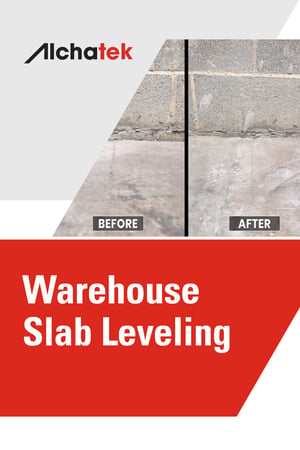 The owner of a gas manufacturing facility contacted a Georgia-based contractor regarding significant floor settlement issues, with a warehouse slab dropping approximately 3-4 inches. The settlement made issues for the forklift traversing in and out of the warehouse and posed a risk to the workers.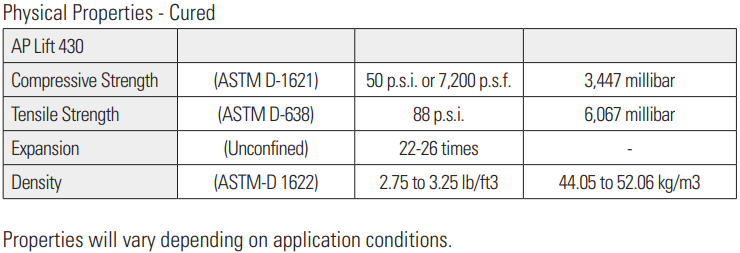
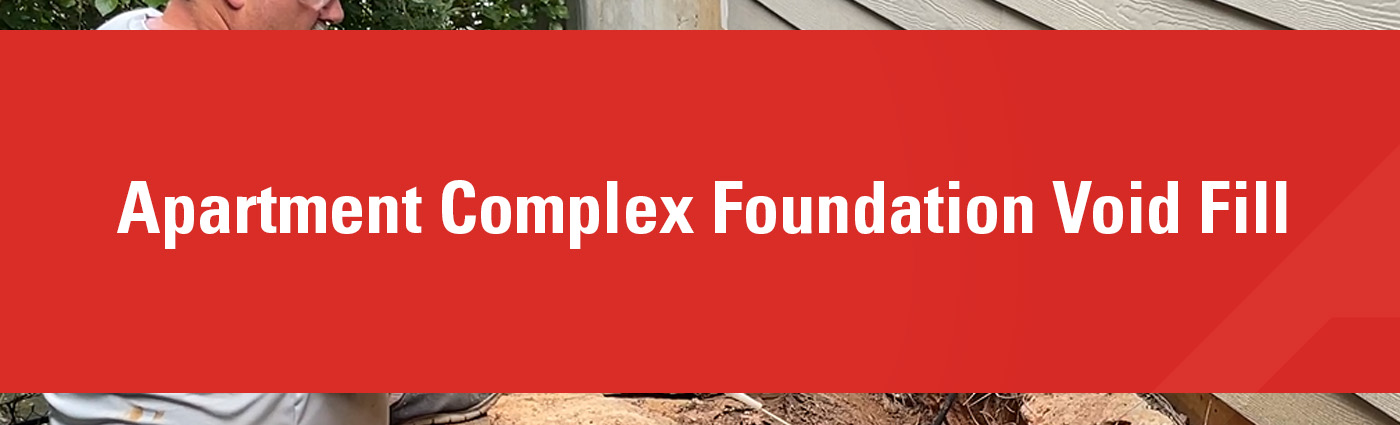
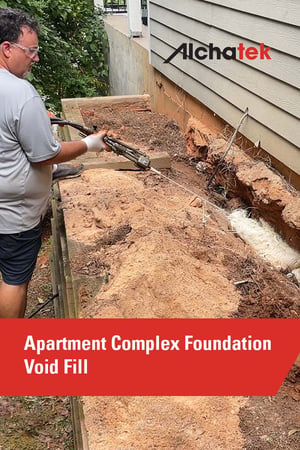 The owners of a college apartment complex in Georgia reached out to a local engineering firm after discovering a large void underneath the northwest end of the building. The issue was caused by stormwater collecting and flowing beneath the building's foundation. Over time, the foundation became exposed and now the grade has lowered by a foot from the original design.


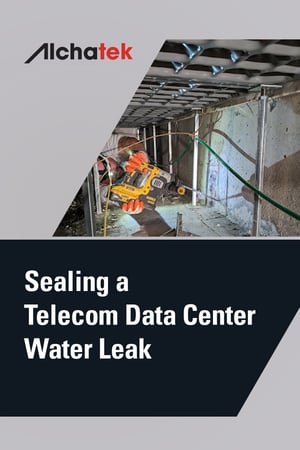 A broadband provider in Alpharetta, Georgia, contacted a local leak seal contractor after discovering water infiltration through a crawl space wall during heavy rainstorms. Over time, cracks had developed, allowing not only water but also sediment to enter, creating substantial voids outside the fissures upon inspection. Given the sensitivity and high value of the equipment housed within the facility, eliminating all potential leaks in the crawl space became a top priority.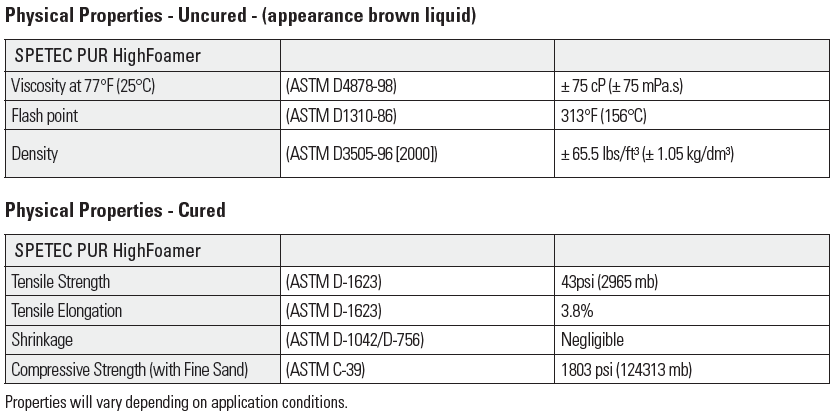

 Translate