

 Polyurethane grouting is a complex process that involves numerous specifications and guidelines. However, amidst the vast amount of information, there are five fundamental rules that lie at the core of all successful polyurethane grouting projects. We will explore these rules, highlighting their significance in achieving desired outcomes.
Rule #1: Don’t Eat the Grout
On a serious note, this rule serves as a safety reminder to avoid accidents or potential health risks associated with ingesting grout materials. It may seem obvious, but it is crucial to emphasize that grout should never be ingested.
Rule #2: Protect Your Eyes
Ensuring eye protection is essential when working with polyurethane grout. Always wear appropriate safety gear and keep an eyewash nearby. This precautionary measure prevents grout particles or splashed drops from coming into contact with your eyes, safeguarding your vision and preventing injuries.
Rule #3: Avoid Premature Water Addition
One must refrain from adding water to the grout before pumping it. While experienced professionals might occasionally deviate from this rule, it generally stands as a reliable guideline, especially for those new to the field. By adhering to this rule, the grout maintains its intended consistency and properties, leading to optimal results.
Rule #4: Get the Grout in Right Location
Precise grout placement plays a crucial role in achieving successful outcomes. It is essential to accurately direct the grout to the desired location whether performing crack injections or high-flow grouting. High-flow grouting, especially, demands effective retention of the grout in place.
Rule #5: Allow Sufficient Set Time
The final rule stresses the importance of providing ample time for the grout to set. Once the grout reaches its intended location, it is crucial to avoid disturbances and allow the curing process to occur effectively. This rule is particularly significant in high-flow scenarios, where maintaining the grout in place poses a significant challenge.
As long as these rules are upheld, exploration and experimentation in grouting methods can be undertaken. This approach acknowledges the uniqueness of each job site and encourages problem-solving while adhering to the core principles of grouting.
Want more information on leak seal grouting materials and equipment?


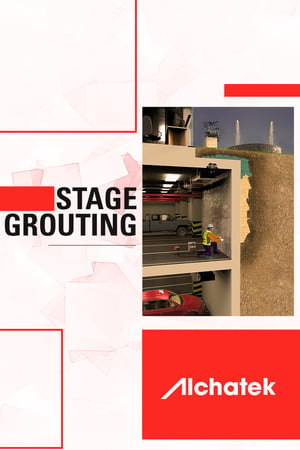 In the realm of grouting, patience and a methodical approach are key to achieving optimal results. This is particularly true when it comes to the concept of stage grouting, a technique that ensures effective curtain grouting with polyurethane.
 Translate