
 In the world of construction and infrastructure development, the quest for stability is paramount. Whether you're a property owner, manager, or builder, ensuring that the ground beneath your structures is solid and dependable is crucial.
Polyurethane Foam
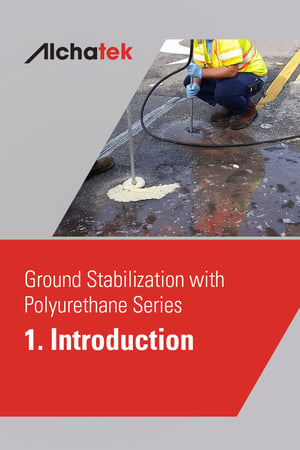
Unstable, eroded, or loose soil around infrastructure can result in settlement and damage to the structure. Voids can be filled, soil consolidated, and water migration halted by permeating the soil with ultra-low viscosity polyurethane foam.
Enhancing Load-Bearing Capacity and Erosion Control
One of the key strengths of polyurethane foam lies in its ability to significantly improve load-bearing capacity. Whether you're dealing with a residential driveway or a massive commercial structure, polyurethane foam offers a dependable solution to reinforce the ground beneath your feet.
A Sustainable Ground Stabilization Solution
In an era where sustainability is a top priority, NSF-approved polyurethane foam is an environmentally friendly option. NSF certification involves rigorous testing and inspection of manufacturing processes. Compliance with these standards, aligned with the Safe Water Drinking Act (SDWA), helps avoid water contamination and legal repercussions.
Beyond Soil: Rock and Gravel Stabilization
Ground stabilization isn't limited to just soil. Polyurethane foam's versatility extends to the stabilization of rock and gravel substrates, making it a comprehensive solution for a variety of scenarios. Whether you're dealing with rocky terrain or gravel, this technique can provide the stability you need.
The Ideal Choice for Lasting Stability
For those seeking a durable, one-time solution for unstable ground conditions, polyurethane foam is an ideal choice. It offers permanence, eliminating the need for repetitive applications and ensuring that your structures stand the test of time.
Want more information on stabilizing soil with polyurethane?

 Alchatek, with its expertise in commercial property maintenance, stands ready to provide comprehensive support in addressing your concrete slab needs.
 After identifying issues with concrete slabs in your commercial property, the next step is choosing the right repair method. The post-holiday slowdown offers the perfect timing for such repairs, and understanding the available solutions is key to making an informed decision.
 After a bustling holiday season, commercial properties may be left with more than just the usual wear and tear. One critical but often overlooked aftermath is the potential damage to concrete slabs. One thing is certain, ignoring the problem is a lot more expensive than doing something about it.
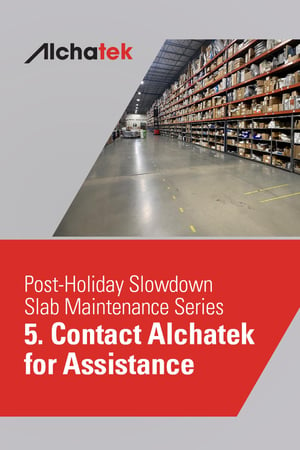
 Concrete slabs are essential in providing a stable base for flooring in warehouses, retail showrooms, and other commercial spaces. However, despite their durability, concrete slabs are not immune to problems. Over time, they can become unlevel due to various factors like soil settlement and heavy loads.
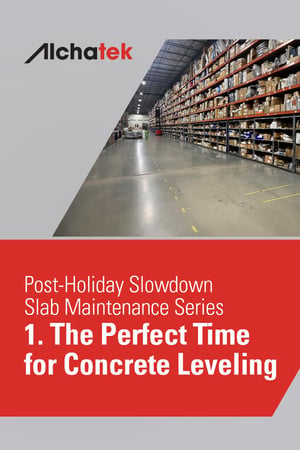 As the holiday season winds down and the festive decorations are packed away, commercial property owners and managers find themselves in a unique period of the year – the post-holiday slowdown. This quieter time offers an ideal opportunity for essential maintenance tasks, particularly addressing one of the most common yet overlooked issues: unlevel concrete slabs.
 As a municipal manager or administrator, you’re well aware of the challenges and solutions related to maintaining the structural integrity of infrastructure like bridge approach slabs. The numerous benefits of polyurethane foam, including its cost-effectiveness, quick application time, and long-term durability, make it a compelling choice for bridge approach slab leveling and stabilization.
 Budget constraints are a perennial concern for infrastructure maintenance operations. Whether it's the upkeep of roads, bridge approach slabs, or other critical components, there is an ever-present need to optimize spending without compromising quality. Administrators and engineers alike are continually searching for cost-effective, long-term solutions that deliver robust performance and minimize future maintenance costs.
 One of the most pressing challenges in infrastructure maintenance is managing slab repairs on busy roadways, including bridge approach slabs, streets, and highways. These repairs often lead to unavoidable traffic disruptions, posing operational challenges that can significantly impact the daily commute and local economy. As a result, there's an increasing need for solutions that are not only effective in restoring structural integrity but also quick, thus minimizing the time lanes are closed.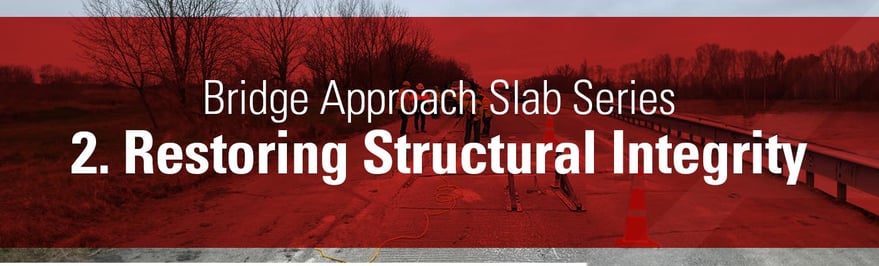
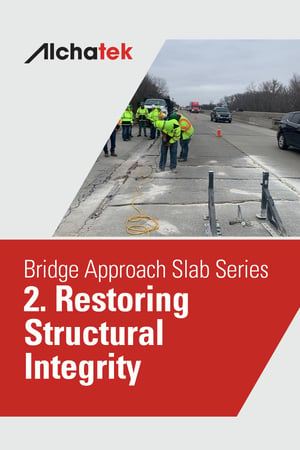 Structural integrity often takes center stage when discussing the engineering behind bridges, leaving the bridge approach slabs in the periphery. Yet, the approach slabs bear significant loads, channel them effectively into the bridge structure, and play a crucial role in maintaining the structural integrity of the entire bridge system. When these slabs sink or become uneven, the ripple effect goes beyond vehicle safety, impacting the structural equilibrium of adjoining infrastructure. Thus, maintaining their integrity becomes a multi-faceted endeavor.
 Translate